
- Article published at:
- Article author: Audrey Wiryawan
- Article comments count: 0
The part of a zipper you pull is called the puller, pull tab, or zipper pull. The moving part that opens and closes the teeth is called the slider.
Learn More


Drawer menu

Thread tension is one of the most important yet often overlooked parts of sewing. Proper tension affects stitch quality, durability, and the overall appearance of your sewing project. Incorrect tension can cause loose stitches, thread breakage, or fabric puckering.
To achieve clean and balanced stitches, it is essential to understand how sewing machine tension works and how to adjust it correctly.
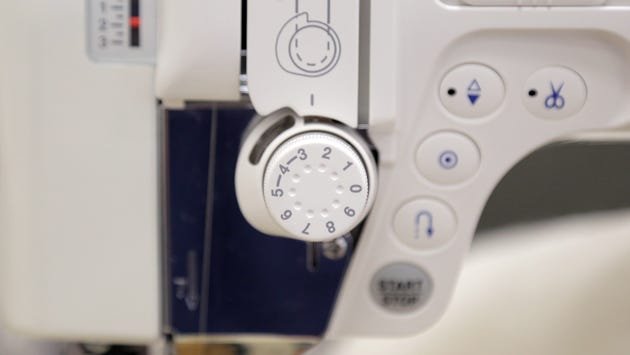
Sewing machine tension refers to the balance between the upper thread and the bobbin thread while stitching. Ideally, both threads lock together in the middle of the fabric. When one thread is too tight or too loose, stitching problems occur.
1. Creates Neat and Balanced Stitches
Proper tension ensures that stitches look even on both sides of the fabric, with no visible loops or uneven lines.
2. Improves Stitch Strength
If the tension is too loose, stitches may come undone easily. If it is too tight, the thread may break. Correct tension helps produce strong and durable seams.
3. Prevents Fabric Puckering
Excessively tight tension can pull the fabric and cause puckering, especially on lightweight materials. Balanced tension allows the fabric to lay flat and smooth.
1. Upper Thread Tension
This is usually adjusted using a tension dial or knob on the front of the machine. It is the most commonly adjusted setting when sewing different fabrics.
2. Bobbin Thread Tension
Located in the bobbin case, this tension is rarely adjusted and should only be changed when absolutely necessary.
Common signs include bobbin thread appearing on the top side of the fabric, upper thread showing underneath, skipped stitches, or puckered fabric.
Start with the machine’s default tension setting. Test your stitches on scrap fabric and adjust gradually. If the upper thread shows underneath, slightly loosen the upper tension. If the bobbin thread appears on top, tighten the upper tension slowly.
Always use good-quality thread and the correct needle for your fabric. Make sure the thread is properly threaded before adjusting tension. Avoid changing multiple settings at once.
Thread tension may seem like a small detail, but it has a big impact on sewing results. Understanding and adjusting tension correctly will help you achieve neater, stronger, and more professional-looking stitches.

