
- Article published at:
- Article author: Audrey Wiryawan
- Article comments count: 0
The part of a zipper you pull is called the puller, pull tab, or zipper pull. The moving part that opens and closes the teeth is called the slider.
Learn More


Drawer menu


High-speed sewing machines are widely used by professional tailors and garment factories because of their high speed and neat stitching results. However, these machines also require proper threading. Incorrect threading can cause the thread to break, skipped stitches, or uneven stitching.
To ensure the machine works optimally, here is a guide on how to properly thread a high-speed sewing machine.
Before starting, make sure the machine is turned off for safety. Prepare the upper thread, a bobbin filled with lower thread, and a needle that is correctly installed according to the type of fabric.
1. Place the Thread on the Thread Holder

Place the thread spool on the thread holder (upper thread). Make sure the thread can unwind smoothly without getting caught.
2. Insert the Thread into the Thread Guide
 Pull the thread toward the thread guide at the top of the machine. Follow the thread path according to the direction usually marked on the machine body.
3. Pass the Thread Through the Thread Tension
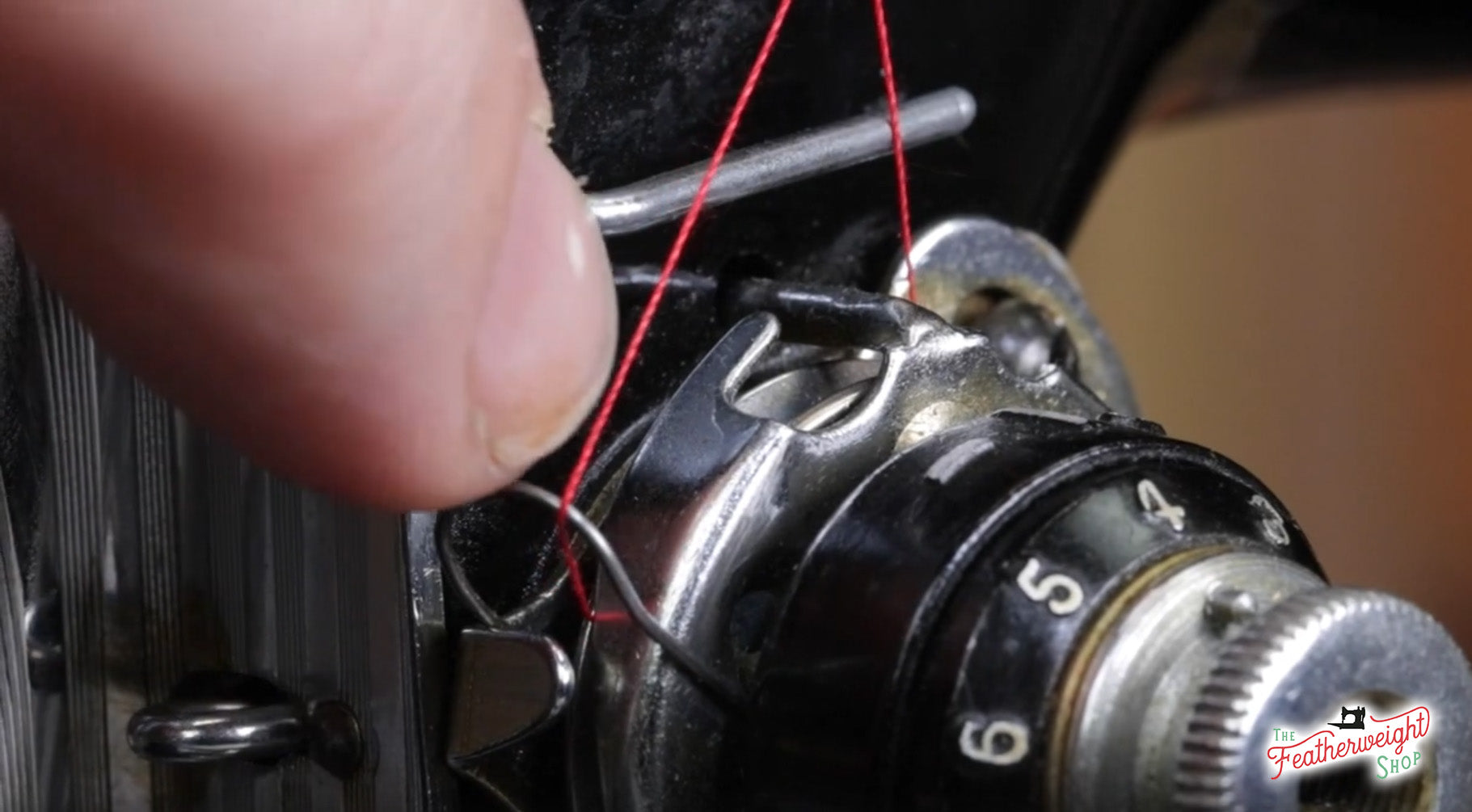
Insert the thread between the tension discs. Make sure the thread is properly seated between the tension plates so the thread tension can work correctly.
4. Insert the Thread into the Take-Up Lever

Pull the thread upward and insert it into the hole of the take-up lever. This part is important because it regulates the up-and-down movement of the thread while sewing.
5. Guide the Thread Through the Lower Guide

After passing through the take-up lever, direct the thread through the lower thread guide toward the needle.
6. Insert the Thread into the Needle

Insert the thread through the eye of the needle from front to back (or according to the machine standard). Pull out about 10–15 cm of thread so it does not easily come loose.
Insert the bobbin filled with thread into the bobbin case. Make sure the bobbin rotation direction matches the machine’s requirements, usually with the thread coming out clockwise. Pull the thread through the slit in the bobbin case until you feel slight resistance from the spring.
After that, turn the handwheel to bring the lower thread up and make sure both threads are ready for sewing.

Use high-quality thread so it does not break easily when the machine runs at high speed. Always adjust the upper and lower thread tension before starting to sew. Do a test stitch on scrap fabric to ensure the results are well balanced.
Threading a high-speed sewing machine may seem simple, but it greatly affects the stitching results. By following the correct steps, the machine will run more smoothly, the stitches will be neater, and the risk of problems while sewing can be minimized.

