
- Article published at:
- Article author: Audrey Wiryawan
- Article comments count: 0
The part of a zipper you pull is called the puller, pull tab, or zipper pull. The moving part that opens and closes the teeth is called the slider.
Learn More


Drawer menu

In sewing, interlining, often called interfacing or “kain keras”, plays an important role in shaping and strengthening certain parts of a garment. Even though it is hidden inside, interlining greatly affects the structure, durability, and overall appearance of the finished piece.

Interlining is an additional layer of fabric placed between the main fabric and the facing or lining. Its purpose is to add structure, stability, and support. It is commonly used on collars, cuffs, button plackets, waistbands, and front panels.
1. Woven Interlining
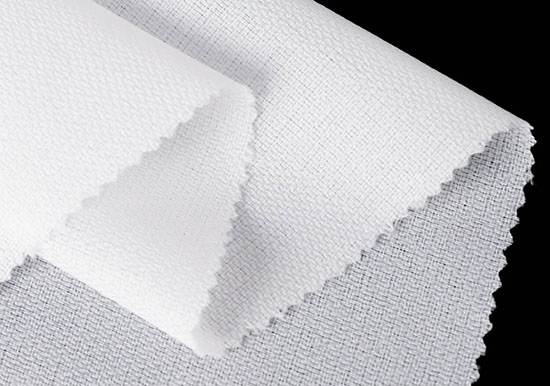
Woven interlining has a fabric-like structure with visible grain. It is strong and stable, making it ideal for garments that need a crisp and defined shape.
Commonly used for:
shirts, blazers, suits, and formal wear.
2. Non-Woven Interlining

This is the most commonly used type, especially by beginners. It has a paper-like texture and no grain direction.
Advantages:
easy to use, affordable, and versatile for many fabrics.
Best for:
casual shirts, blouses, and simple garment details.
3. Knitted Interlining
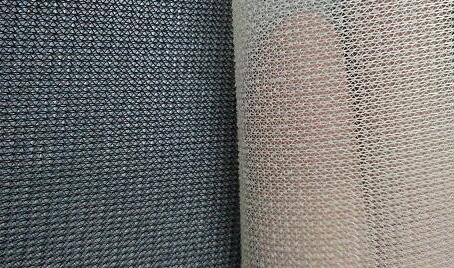
Knitted interlining has stretch and flexibility, allowing it to move with the main fabric.
Best for:
stretch fabrics, knitwear, and garments that require elasticity.
4. Fusible Interlining
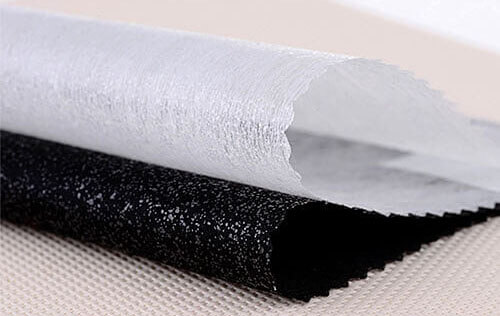
Fusible interlining has an adhesive coating on one side and is attached using heat from an iron. It is practical and time-saving.
Important note:
always adjust the iron temperature to avoid bubbling or fabric damage.
5. Sew-In Interlining
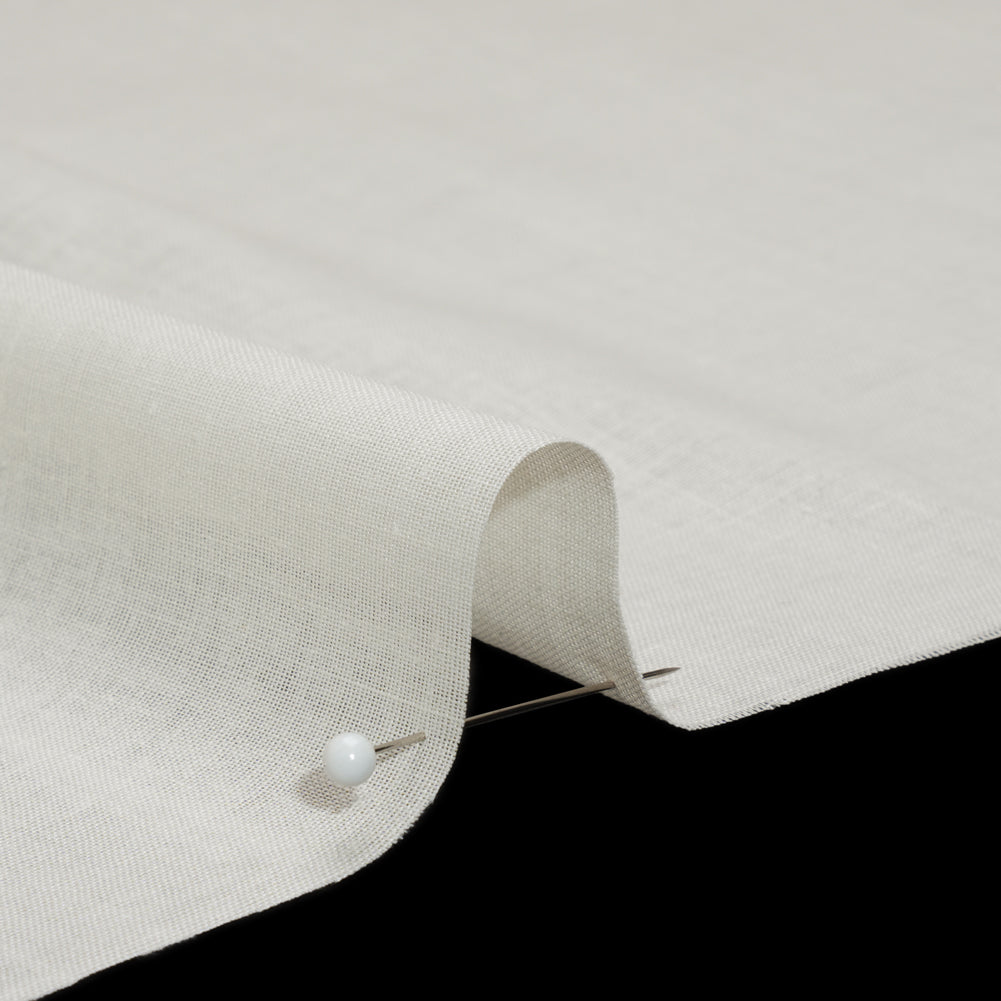
This type is sewn directly onto the fabric without heat or adhesive. It is often used for delicate fabrics or high-quality garments.
Commonly used for:
evening wear, traditional garments, and delicate materials.
Choosing interlining is not just about thickness or stiffness. You need to consider the main fabric, the level of structure needed, and the function of the garment part.
The right interlining will help your garment look neater, feel more comfortable, and last longer.
Interlining may be hidden, but its impact on sewing results is significant. Understanding the different types of interlining will help you make better choices and create garments with a more professional finish.

