
- Article published at:
- Article author: Audrey Wiryawan
- Article comments count: 0
The part of a zipper you pull is called the puller, pull tab, or zipper pull. The moving part that opens and closes the teeth is called the slider.
Learn More


Drawer menu

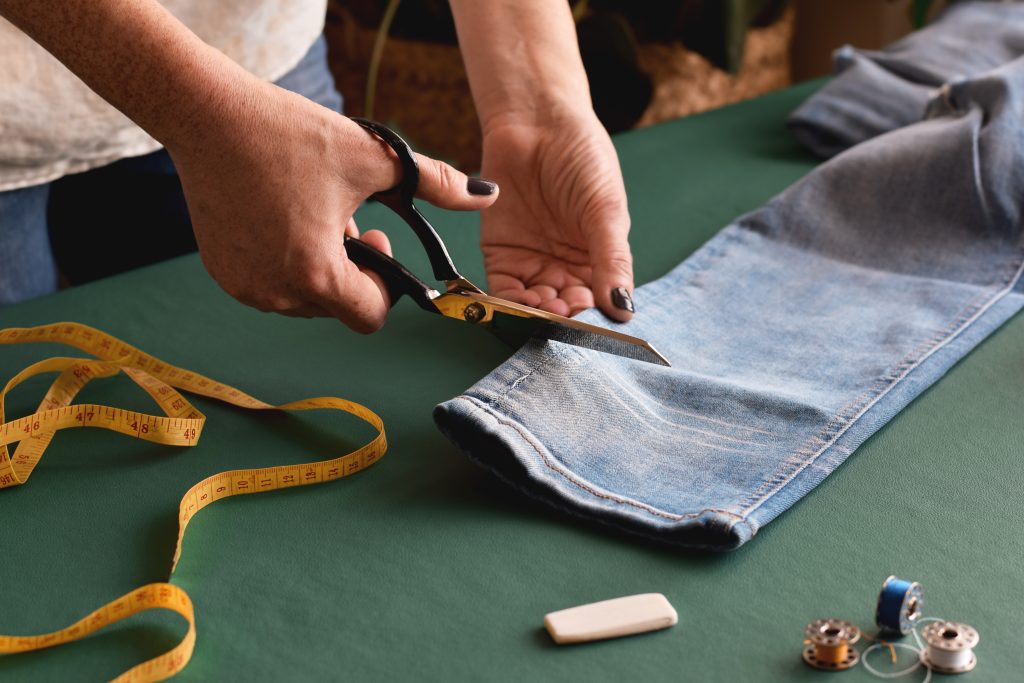
Alteration is the process of repairing, adjusting, or modifying garments to improve their fit, comfort, and functionality. Unlike custom tailoring, which creates clothing from scratch, alteration focuses on improving existing pieces so they better suit the wearer.
Common alteration work includes resizing waistlines, shortening sleeves, replacing zippers, adjusting hems, and repairing loose seams. It is a practical way to extend the life of clothing while ensuring a polished appearance.
This involves reshaping garments to better match body proportions, such as taking in or letting out seams for a more comfortable fit.
Shortening or lengthening hems, sleeves, or pant legs to achieve the desired proportion and style.
Replacing buttons, fixing tears, mending damaged areas, or reinforcing seams to restore the garment’s usability.
Transforming older pieces into updated silhouettes, for example turning long dresses into shorter styles or updating outdated cuts.
Most ready-to-wear garments are produced using standard sizing, which rarely fits every individual perfectly. Alteration helps bridge the gap between mass production and personal body shape, creating a more tailored look.
Alteration plays an important role in sustainability by encouraging repair and reuse instead of disposal. Extending the lifespan of garments reduces textile waste and supports more responsible consumption.
Many designers and fashion advocates emphasize the importance of caring for and repairing clothing as part of mindful fashion practices.
Clothing that fits well enhances silhouette and confidence. Even simple garments can appear more refined and premium when properly adjusted.
In major fashion hubs such as Paris, Milan, and New York, alteration services are an integral part of luxury retail and garment production. High end brands often include alteration to ensure perfect fit for clients.
Alteration may not always be visible, but it is fundamental to fashion. It transforms clothing from standard to personal, from disposable to long lasting.
Understanding alteration reminds us that fashion is not only about trends, but also about precision, craftsmanship, functionality, and sustainability.

