Parts of a Sewing Machine and Their Functions
Whether you are a beginner learning to sew or a more experienced maker refining your technique, knowing the parts of a sewing machine is essential. Understanding how each component works not only improves stitch quality but also helps prevent mistakes and makes troubleshooting much easier.
Below are the key parts of a sewing machine and what they do.
Needle
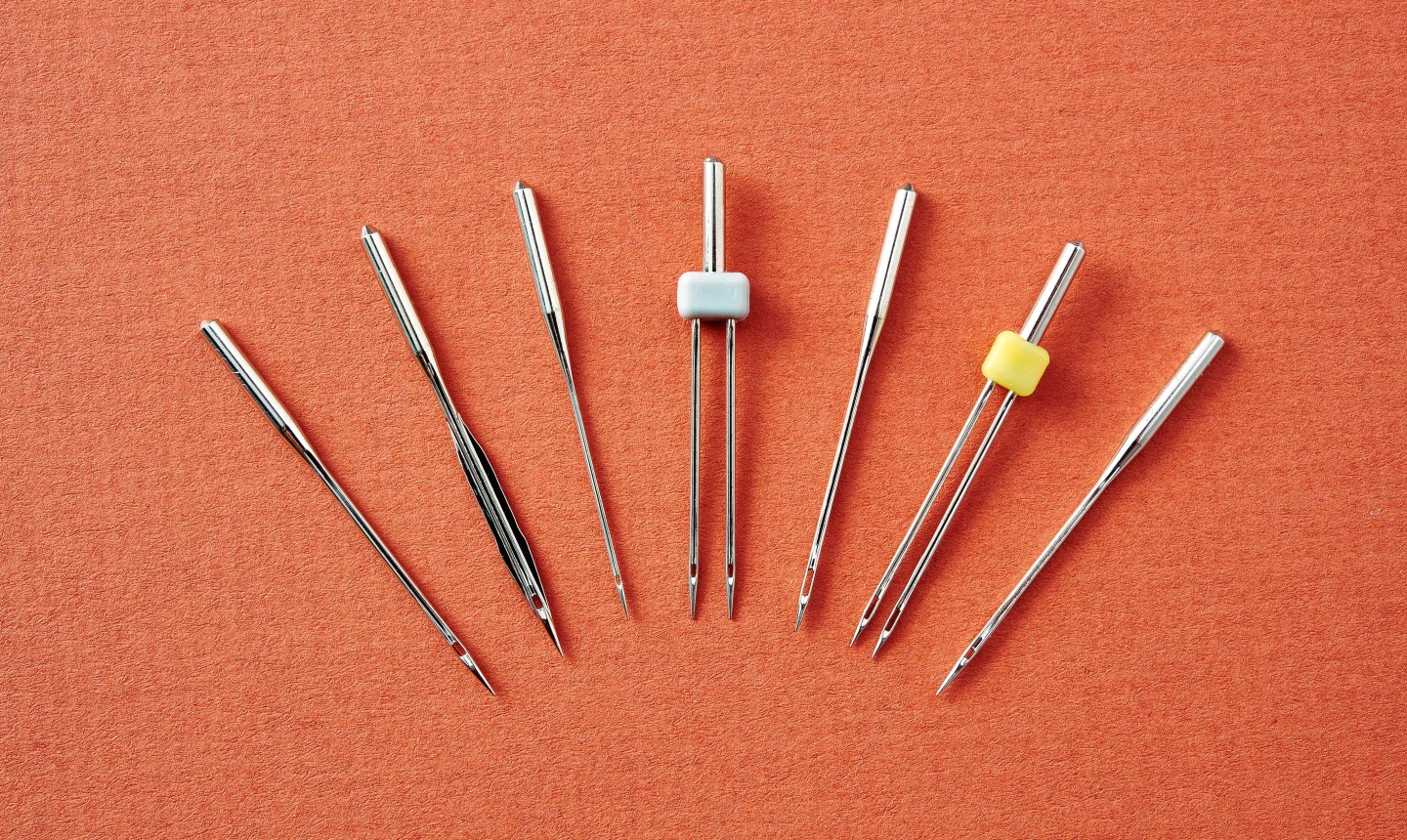
The needle is one of the most important parts of the machine. It carries the thread through the fabric to form stitches.
Different needles are used for different fabrics, such as universal needles for general sewing, ballpoint needles for knits, and sharp needles for woven fabrics.
Presser Foot
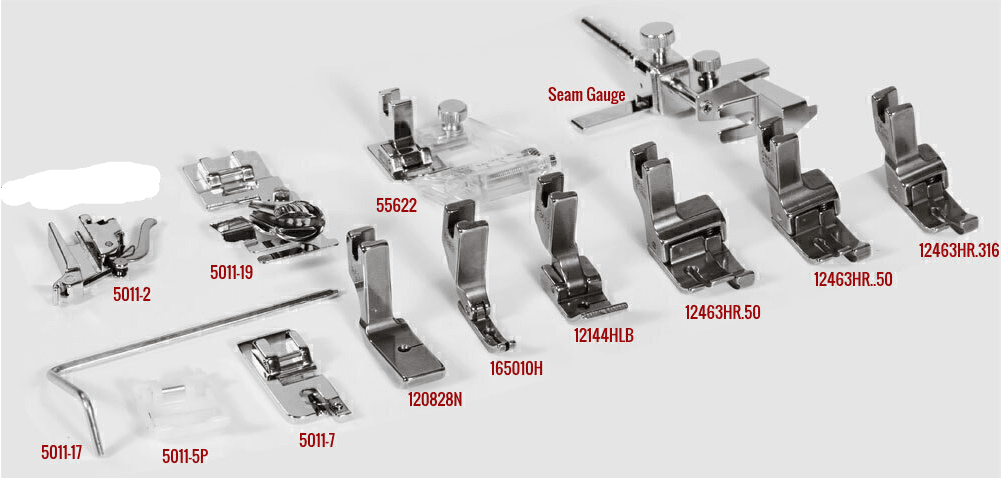
The presser foot holds the fabric firmly against the feed dogs while you sew. It keeps the fabric stable and ensures even stitching.
There are many types of presser feet designed for specific tasks, including zipper feet, buttonhole feet, and walking feet.
Feed Dogs
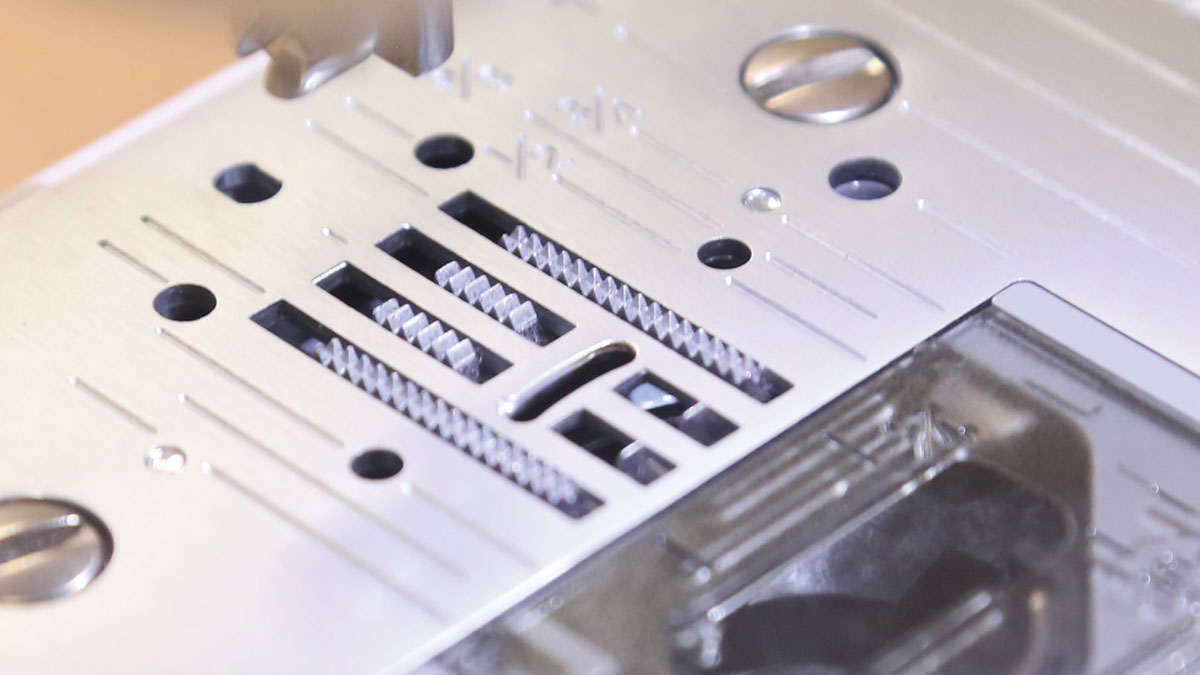
Feed dogs are the small metal teeth under the presser foot that move the fabric forward or backward as you sew. They help maintain consistent stitch length and smooth fabric movement.
Bobbin

The bobbin holds the lower thread that interlocks with the upper thread to form stitches. Proper bobbin winding and insertion are crucial for balanced stitching.
Bobbin Case

The bobbin case holds the bobbin in place and helps control thread tension from below. It plays a key role in preventing thread tangling.
Thread Spool Pin

The spool pin holds the thread spool at the top of the machine, allowing thread to feed smoothly through the tension system.
Tension Dial
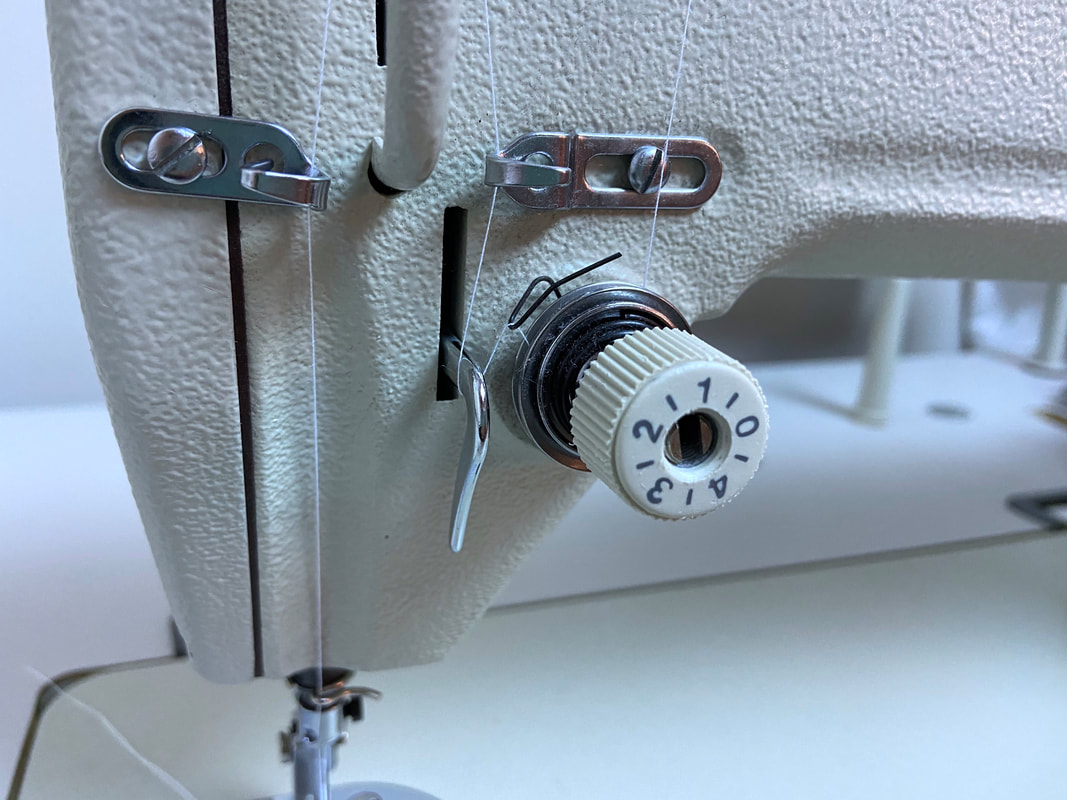
The tension dial controls how tight or loose the upper thread is. Correct tension ensures stitches look even on both sides of the fabric.
Handwheel

The handwheel allows you to manually raise or lower the needle. It is useful for precise control, especially when starting or finishing seams.
Stitch Selector
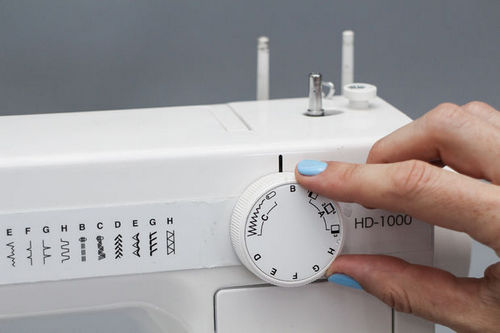
The stitch selector lets you choose different stitch types, such as straight stitch, zigzag, or decorative stitches, depending on your project.
Foot Pedal
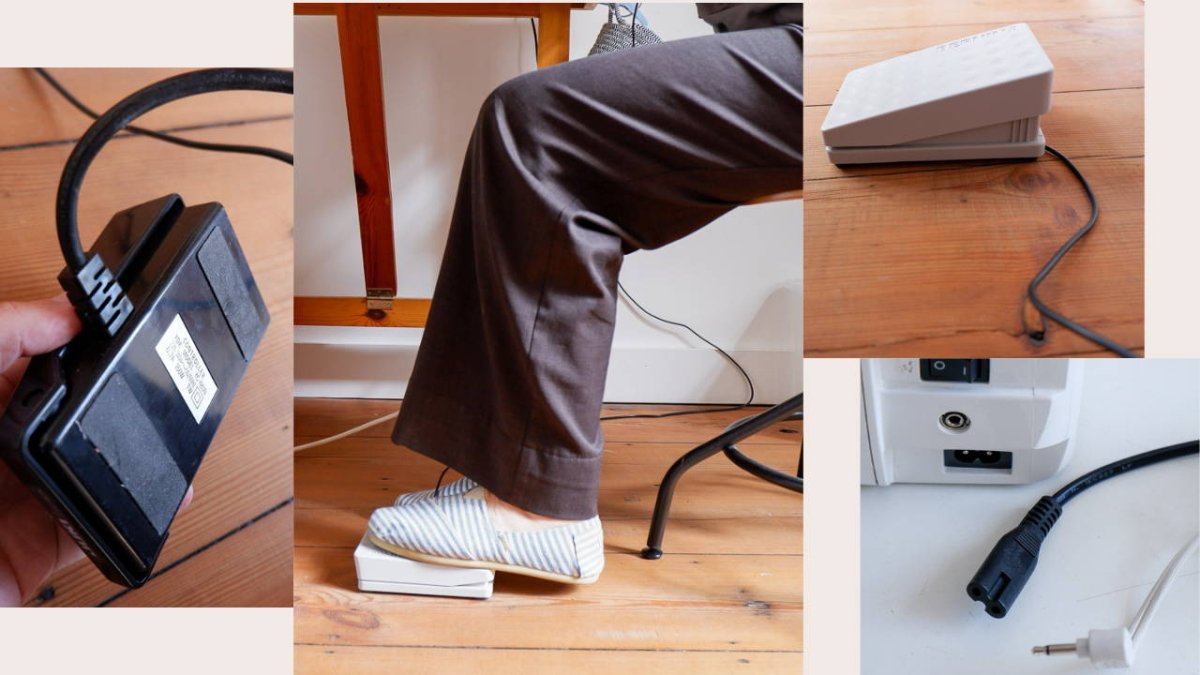
The foot pedal controls the sewing speed. Pressing it lightly results in slower stitching, while pressing more increases speed.
Conclusion
Learning the parts of a sewing machine and their functions builds confidence and improves sewing accuracy. When you understand how each component contributes to the stitching process, you can work more efficiently, care for your machine properly, and achieve better results in every project.


